
Not Just a Joke : Measuring the Psychological Impact of Verbal Harassment in University Environments
This article explores how verbal harassment disguised as jokes harms students' mental well-being and highlights the need for empathy in digital communication.
Student’s Name : Fany Indah Lestari
Student’s ID : 25240028
Class : 2A
Department : Psychology
Verbal harassment is often dismissed as harmless joking, especially in university settings where humor and casual interactions are common aspects of student life.
However, words that may seem playful to some can have significant psychological consequences for others.
Repeated exposure to degrading, sexually suggestive, or insulting comments can negatively affect students' self-esteem, sense of safety, emotional well-being, and overall academic experience.
Baca Juga: Polres Tegal Gelar Ziarah Makam Pahlawan dan Pemberian Tali Asih Warnai Hari Bhayangkara ke-80
Therefore, understanding and measuring the psychological impact of verbal harassment is essential in recognizing that seemingly minor acts of communication can cause serious emotional harm and contribute to an unhealthy campus climate.
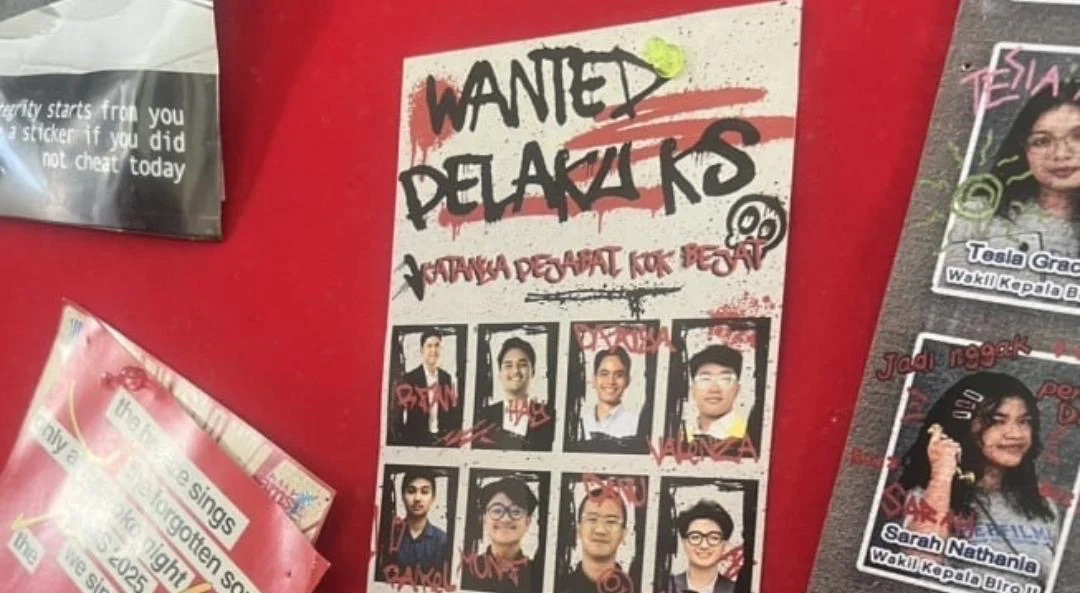
Last week, the public was shocked by the viral circulation of screenshots from a private group chat involving a group of students.
The messages, which contained explicit verbal harassment, quickly became the focus of intense social media scrutiny.
Beyond the initial outrage, the incident has sparked an important discussion about the ethics of digital communication.
It raises a critical question : where does humor end and harassment begin? This case illustrates that verbal harassment in digital spaces is rarely “just a joke”; rather, it reflects deeper issues related to group dynamics, psychological disinhibition, and the erosion of ethical boundaries.
Baca Juga: Program MBG Libur, Harga Sayur di Pasar Pagi Tegal Turun dan Pembeli Berkurang
One of the primary drivers of such behavior is the Online Disinhibition Effect. Within private digital spaces, individuals often feel anonymous and completely secure. This “digital cloak” reduces the ethical restraints that typically exist in face to face interactions.
Research suggests that the absence of nonverbal cues such as directly witnessing a victim’s pain or discomfort significantly decreases empathy.
As a result, sexually explicit or highly offensive comments are not only expressed more freely but are often normalized as a standard form of interaction within the group.
Furthermore, the role of group dynamics cannot be overlooked. Social psychology highlights the power of conformity, whereby individuals adjust their behavior to align with perceived group norms in order to gain social acceptance or avoid exclusion. In group chat environments, when one person initiates a negative comment, it often triggers a “race to the bottom,” where others feel pressured to participate or even escalate the rhetoric to demonstrate their membership in the group.
In such environments, harmful language is frequently disguised as humor, creating a toxic echo chamber in which participants sacrifice their personal values in exchange for collective validation.
Some people defend such behavior by arguing that these conversations are private and intended only for a specific circle of friends, with no direct intention of causing harm.
While the desire for a “safe space” to speak freely may be understandable, this argument fails to acknowledge the realities of the digital age.
Today, the boundary between private and public communication can be breached with remarkable ease. A single click can transform a private remark into widely distributed content with potentially damaging consequences.
More importantly, the impact of one’s words often extends far beyond one’s intentions. Disrespectful content remains harmful regardless of the platform on which it is shared, and “privacy” should never be used as a shield to undermine the dignity of others.
In conclusion, the recent controversy surrounding this student group chat serves as a powerful reminder that digital communication does not exist in a moral vacuum.
Incidents like this are symptoms of a broader crisis in digital ethics and social responsibility. To foster healthier digital environments, we must move beyond the excuse of “just joking” and take responsibility for the weight of our words.
Meaningful change begins at the individual level by prioritizing respect and empathy over cheap digital validation, we can help cultivate a digital culture that values human dignity above harmful humor. **
Artikel Terkait

Pemkot Tegal Soroti Ancaman Polarisasi di Kalangan Pemuda

Wisata Guci Jadi Tuan Rumah Kejurda ALTI Jateng 2026, Ribuan Runner Selusuri Gunung Slamet

HIV/AIDS Tinggi Hingga Persoalan Kos-Kosan untuk Check-in, MUI Tegal Lakukan Langkah Ini